10 Water Feature Ideas to Transform Your Landscape Design
Last Updated on 10/27/2026
Water features can change the appearance and atmosphere of an outdoor space. Whether you want to create a peaceful garden, improve your poolside area, or add an attractive focal point to your yard, the right design can make a noticeable difference. However, choosing a suitable water feature requires careful planning. You need to consider your available space, landscape style, maintenance requirements, and overall goals. Here are ten water feature ideas that can complement different landscapes and help you create a more inviting outdoor environment.
How Can Water Features Improve Your Landscape?
Water features can serve both decorative and functional purposes. Before choosing a design, consider the following factors:
- Visual appeal: A fountain, pond, or waterfall can create a focal point and complement the surrounding plants, pathways, and hardscape.
- Sound and atmosphere: Flowing water can create a calming atmosphere and help mask some unwanted background noise.
- Space requirements: The size and placement of the feature should match your garden layout and available outdoor space.
- Maintenance needs: Pumps, filters, water levels, and cleaning requirements can vary depending on the design.
- Landscape compatibility: Materials, shapes, and finishes should complement your home’s architecture and existing outdoor features.
Considering these factors can help you choose a water feature that suits your landscape and remains practical to maintain.
10 Water Feature Ideas to Complement Your Landscape
1. Japanese Tsukubai
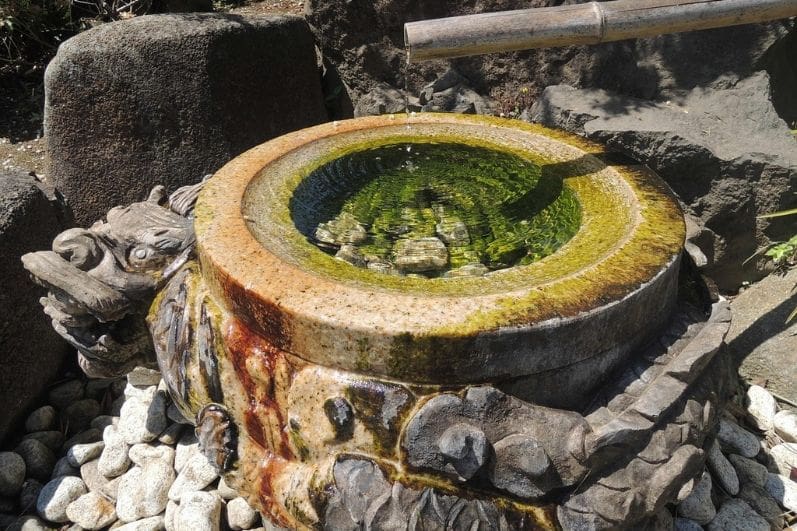
A Japanese tsukubai-inspired water feature can introduce a peaceful, natural element into your garden. Traditionally, a tsukubai consists of a stone water basin, often accompanied by rocks and carefully arranged plants. You can place one near a garden pathway, within a shaded corner, or beside a small seating area. Bamboo spouts and natural stone finishes can further enhance its appearance. This design works particularly well in gardens that emphasize simplicity, balance, and natural materials.
2. Koi Pond
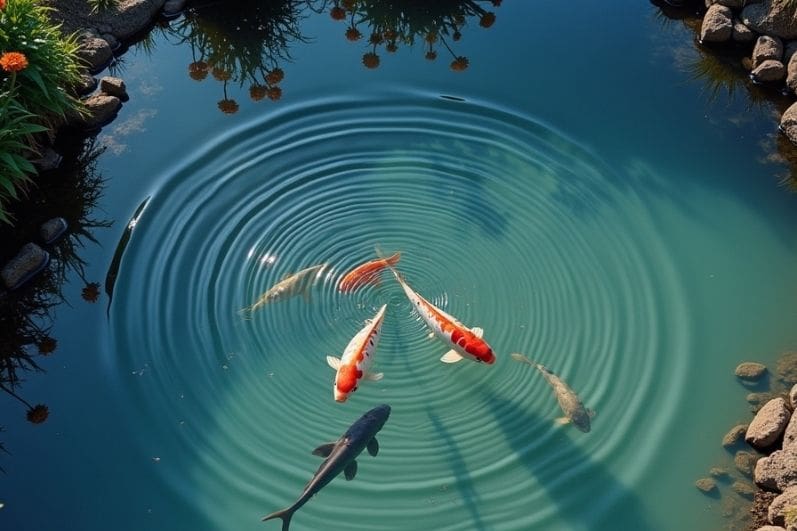
A fish pond can make your landscape more engaging by introducing movement and aquatic life. Koi ponds are especially attractive when surrounded by natural stones, ornamental grasses, and suitable pond plants. You can position the pond near a patio or create a dedicated viewing area beside it. However, fish require a healthy aquatic environment, appropriate filtration, and regular maintenance. Before installing a pond, consider its depth, sunlight exposure, and the space needed to maintain water quality.
3. Stone Wall Water Feature
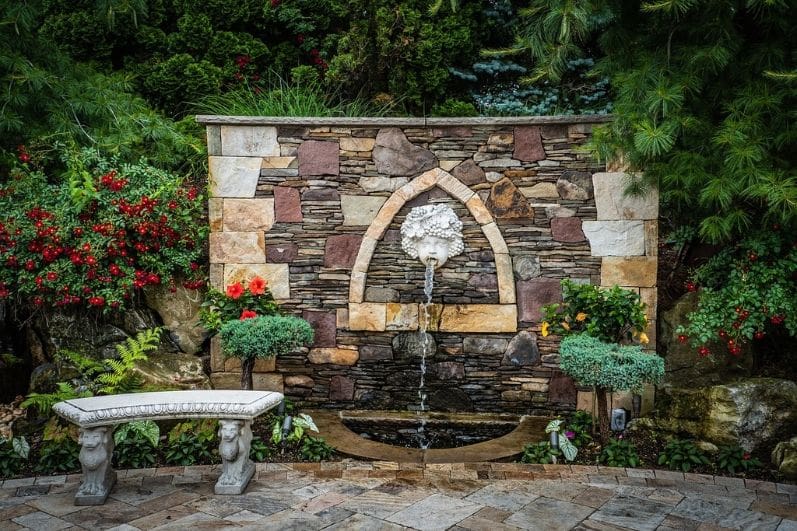
A stone wall water feature combines hardscape design with the movement of flowing water. Water can spill from an opening or narrow ledge into a basin below, creating a clean and structured appearance. Natural stone works well in traditional landscapes, while smooth stone and simple lines can complement contemporary properties. This feature can also make an otherwise plain garden wall more interesting. Consider adding suitable plants around the base to soften the hard edges and connect the feature with the surrounding landscape.
4. A Lounge Pool
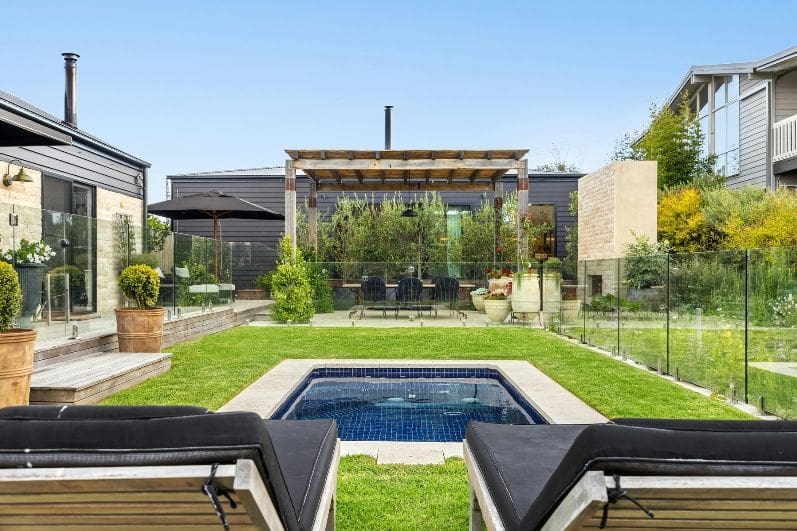
A lounge pool can combine the appearance of a decorative water feature with a comfortable outdoor relaxation area. Shallow sections, built-in seating, and gently circulating water can create a resort-inspired setting. The pool can complement a patio, outdoor lounge, or landscaped entertainment area. Choose finishes that coordinate with nearby paving and planting. You should also consider drainage, water circulation, safety, and regular cleaning when planning the installation. A well-positioned lounge pool can become a central feature of the outdoor living space.
5. Sculptural Fountain
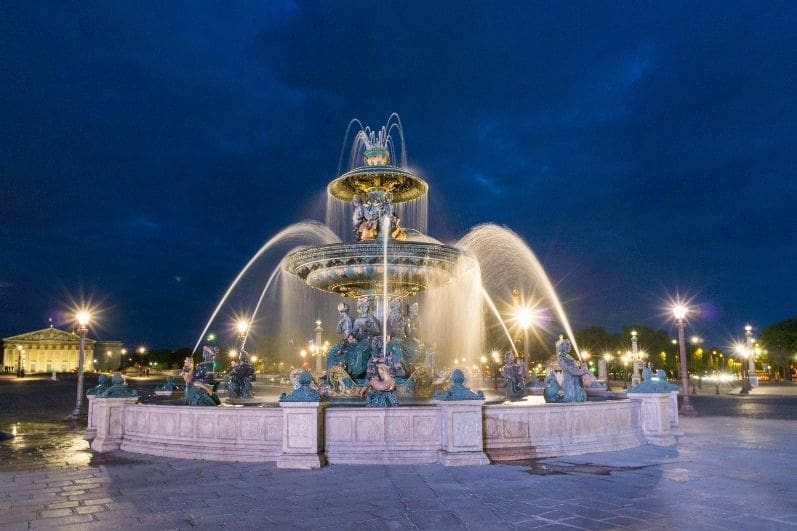
A sculpture fountain can serve as an artistic centerpiece in a landscape. Designs range from traditional carved figures to modern geometric sculptures made from stone or metal. You can place one at the end of a pathway, within a formal garden, or in the center of a courtyard. The sculpture should complement the property’s architectural style rather than compete with other elements. Consider its height, water flow, and visibility from nearby seating areas when selecting the right design.
6. Fire and Water Feature
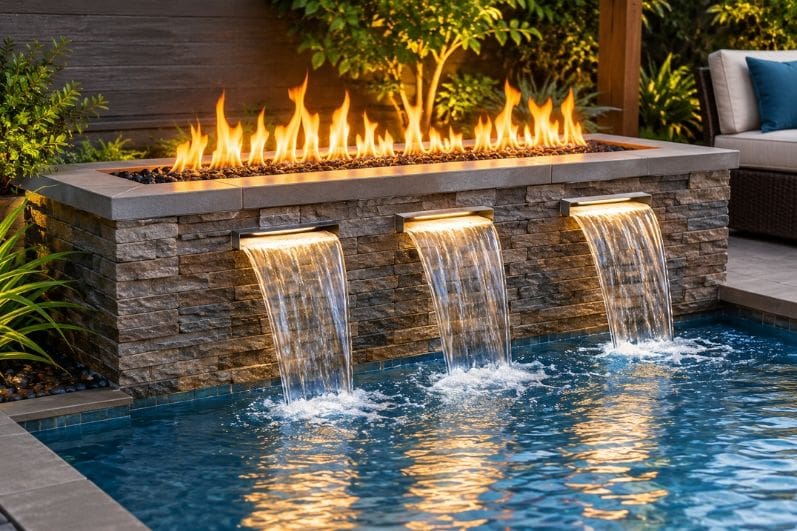
Combining water and fire can introduce contrasting elements into an outdoor living area. A water feature with a fire bowl may include a raised basin, a flame feature, or a carefully designed combination of flowing water and fire. This arrangement can create an attractive focal point near an outdoor seating area. However, the installation requires appropriate equipment, safe clearances, and professional planning. Choose materials that complement the patio and surrounding hardscape while ensuring that both elements can operate safely.
7. Garden Stream
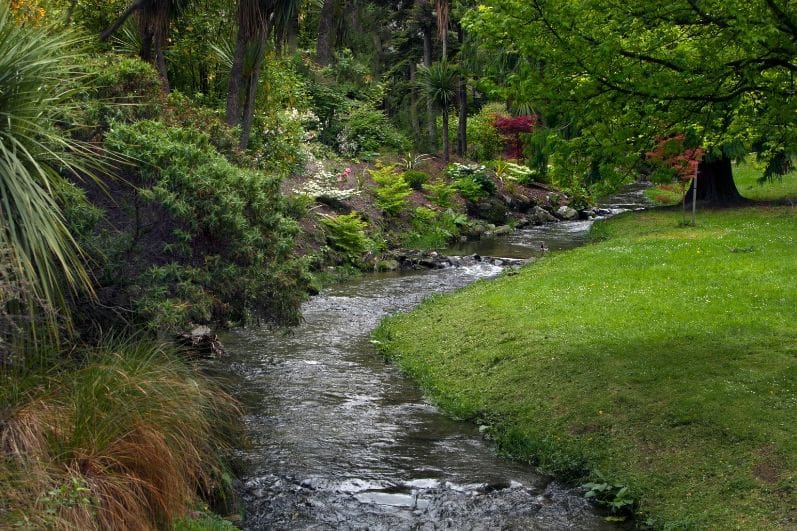
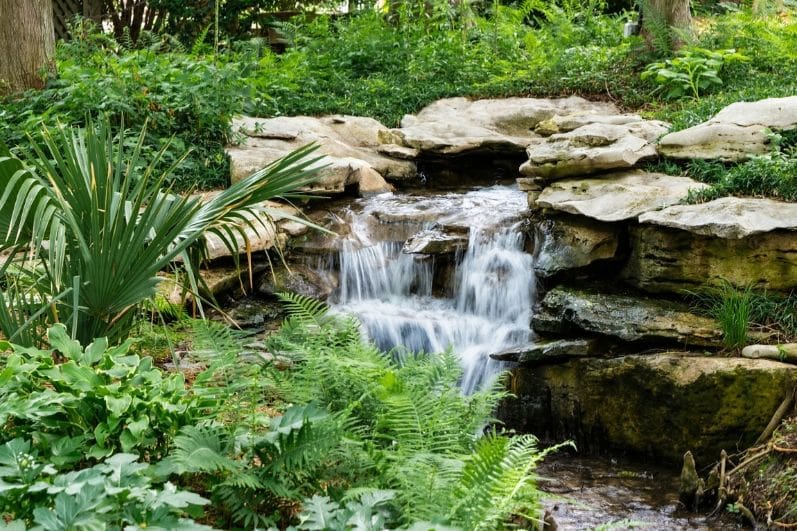
A yard river, designed as a small artificial stream, can make a landscape feel more natural. It may follow a curved path through the garden, pass between rocks, and flow beneath a small bridge or beside a walking trail. Suitable plants along the edges can help the feature blend with the surrounding greenery. A recirculating system can move water through the channel. Before installation, assess the yard’s slope, drainage, and available space to create a stream that fits the landscape.
8. Oversized Water Bowl
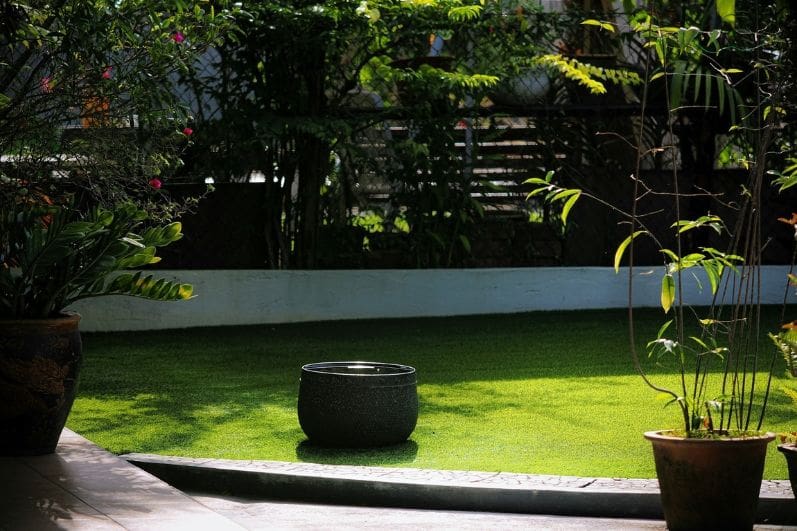
A large water bowl is a simple way to introduce water into a garden without building a full pond. Stone, concrete, ceramic, and metal bowls can complement different landscape styles. You can choose a still-water design for a reflective surface or add a small pump to create gentle bubbling. Place the bowl near an entrance, patio, or garden bed where it can be appreciated. Make sure the base is stable and the surrounding area allows easy access for cleaning and refilling.
9. Poolside Waterfall
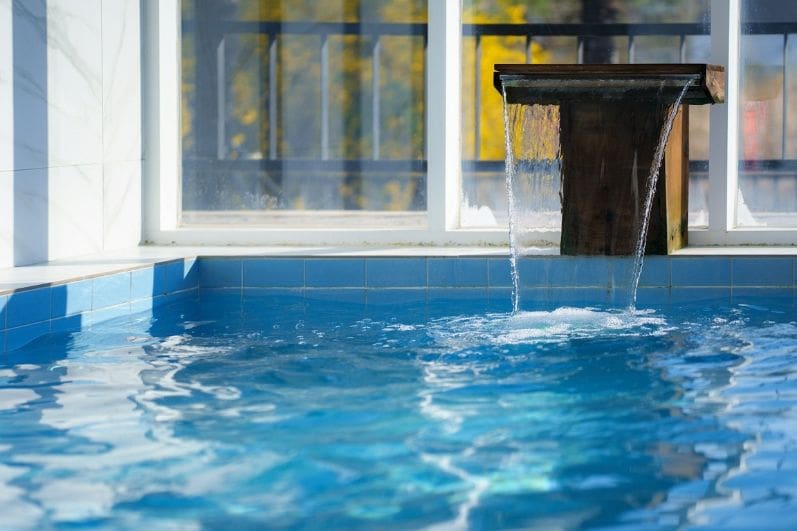
A large waterfall can make a swimming pool more visually striking. Water may flow from a raised stone wall, cascade over natural boulders, or spill from a modern architectural feature into the pool. The design can complement the pool’s shape and the materials used around the deck. Consider the sound of falling water, splash patterns, pump requirements, and maintenance access before installation. The surrounding planting and lighting should also support the overall design without obstructing pool access.
10. Sensor-Activated Water Features
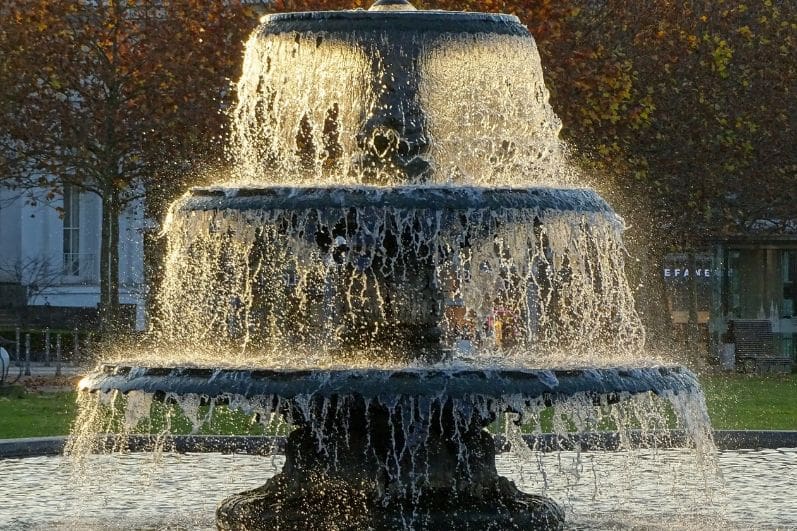
Sensor-based water features introduce convenience and interactive elements into landscape design. Depending on the system, sensors can activate water flow when someone approaches or help control operation through programmed settings. These features can work well near garden entrances, pathways, and contemporary outdoor spaces. Before choosing one, check the sensor’s range, power requirements, weather resistance, and maintenance needs. Proper installation is important to ensure reliable operation and prevent unnecessary water or energy use.
Create a More Inviting Landscape with the Right Water Feature
The right water feature should complement your landscape and fit naturally into the outdoor space. Consider your property’s layout, preferred design style, maintenance needs, and how you plan to use the area before choosing a feature. From a simple water bowl to a dramatic poolside waterfall, each option offers unique design possibilities.
Homeowners exploring landscape designing in Spicewood can consider how different water features will work with their property’s existing layout and overall aesthetic.
Landscape One Design Build can help plan an outdoor space where water features, planting, and other landscape elements come together in a cohesive design.
Key Takeaways
- Choose water features according to your landscape’s size, style, and layout.
- Consider maintenance, filtration, drainage, and operating requirements before installation.
- Combine water with suitable plants, stonework, lighting, or outdoor seating.
- Plan larger features with professional guidance to support safety and functionality.
- Select a design that complements your outdoor space and long-term goals.


Recent post
10 Water Feature Ideas to Transform Your Landscape Design
7 Ranch Landscape Ideas for a Stylish Outdoor Space